Xander Hansen · 25 September 2026
Color-Based Organization Tactics for Standalone Digital Archives to Support Ongoing Navigation Without Major Redesigns
Digital archives that operate independently often rely on consistent visual systems to maintain accessibility over extended periods, and color serves as one foundational element in these setups. Researchers have documented how color differentiation helps users locate materials without requiring structural changes to the underlying database or file hierarchy. Data from information science studies shows that color cues integrated at the metadata level allow archives to scale content additions while preserving familiar pathways for repeated access. Observers note that standalone systems benefit when color assignments align with content types rather than chronological markers alone. For instance, archival collections in academic settings have applied hue variations to distinguish textual records from audiovisual files, and this approach has persisted across multiple software updates. According to findings presented at digital preservation conferences, such methods reduce the need for full interface overhauls because the color logic travels with the data exports.Establishing Core Color Categories
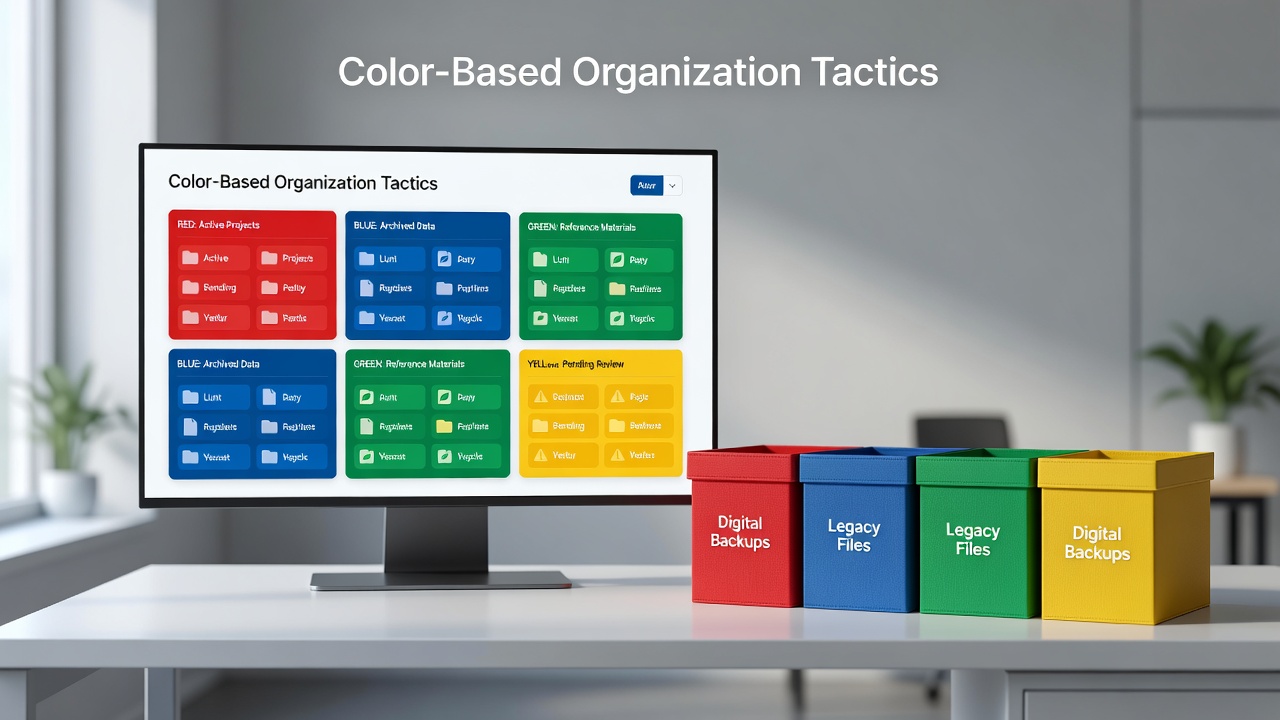
Implementation begins with mapping existing archive contents to a limited palette that avoids cultural or accessibility conflicts. Those who manage long-term repositories frequently select four to six base colors, each tied to a primary content class, while using saturation adjustments for subcategories. This structure supports navigation because users learn associations once and apply them across sessions, even as new entries arrive.
Evidence from usability tests indicates that neutral backgrounds paired with saturated accents improve scan times in large collections. European research institutions have reported similar outcomes when testing color overlays on legacy catalogs, noting that the method integrates with existing HTML structures through simple class additions. In September 2026, updates to accessibility guidelines from the European Accessibility Act are expected to emphasize these contrast requirements further, prompting many independent archives to audit their palettes without altering navigation trees.
Integrating Color with Metadata and Search
Color tactics gain durability when linked directly to embedded metadata fields rather than hardcoded stylesheets. Developers apply CSS variables or lightweight scripts that pull color values from JSON records, allowing archives to export and import collections across platforms while retaining visual consistency. Studies conducted by university libraries in Canada reveal that this metadata-driven method maintains navigation integrity during migrations, as color assignments remain attached to individual items instead of page templates.
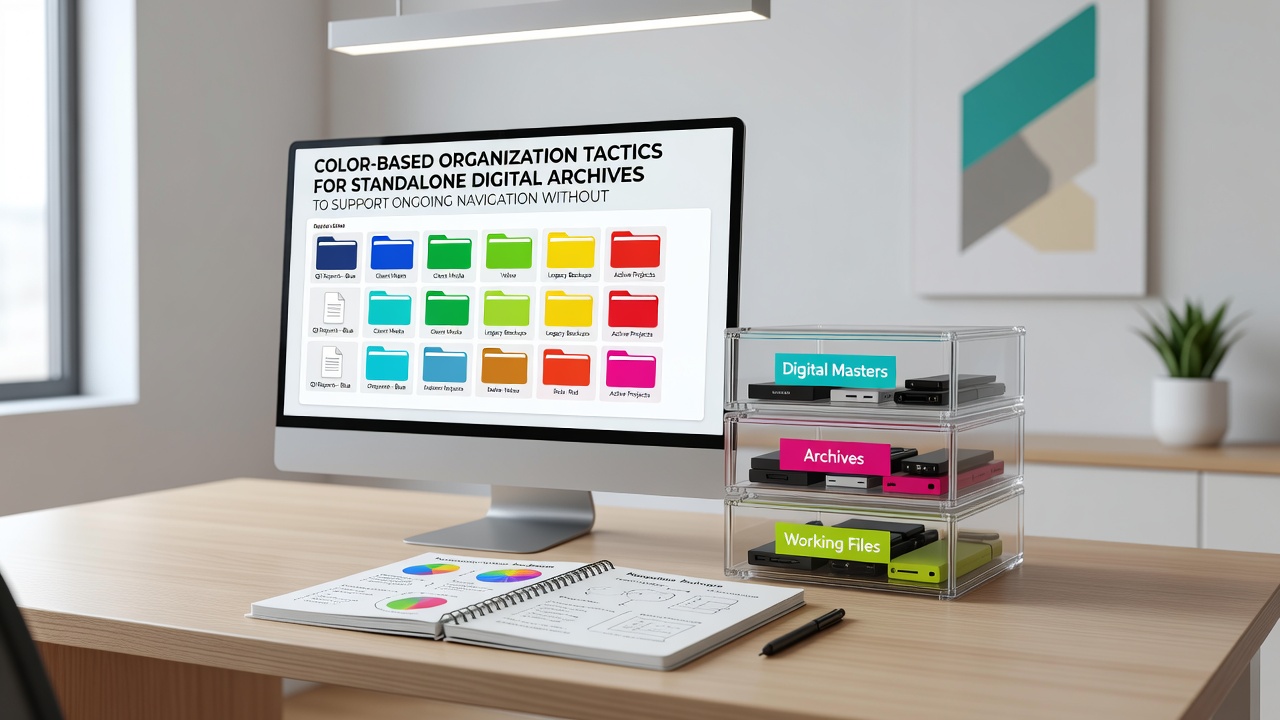
What's notable is how filters built around these colors enable dynamic views. Users apply color-based selectors to narrow results, and the system responds without regenerating the entire directory structure. Research published through the International Council on Archives shows that such filters improve retrieval accuracy in collections exceeding ten thousand items, particularly when combined with text search. The approach avoids major redesigns because new color categories slot into the existing filter framework through data updates alone.
Maintaining Consistency Across Updates
Long-term archives face pressure from evolving web standards, yet color systems built on relative values rather than fixed hex codes adapt more readily. Teams often document palette decisions in a separate reference file that accompanies the archive, ensuring future maintainers apply the same associations. Data compiled by the Australian National Archives indicates that projects following this documentation practice experience fewer navigation breaks during platform upgrades compared to those relying on ad-hoc styling.
Additional tactics include periodic contrast checks against updated browser rendering and gradual introduction of new hues only when content categories expand substantially. Observers have recorded cases where archives added a seventh color for emerging media formats without disrupting established user pathways, because the addition followed the same metadata integration rules used for the original set. This incremental method keeps redesign efforts minimal while preserving the color-based orientation that supports ongoing navigation.
Conclusion
Color-based tactics provide a stable layer for standalone digital archives when anchored in metadata and documented palettes. Research continues to demonstrate their value in supporting navigation across content growth and technical changes. Those maintaining independent collections find that these approaches deliver consistent results without necessitating large-scale redesigns, as the visual logic remains portable and extensible.